



























































President unveils industrial roadmap to grind, brand, and sell Nigerian chocolate to the world_
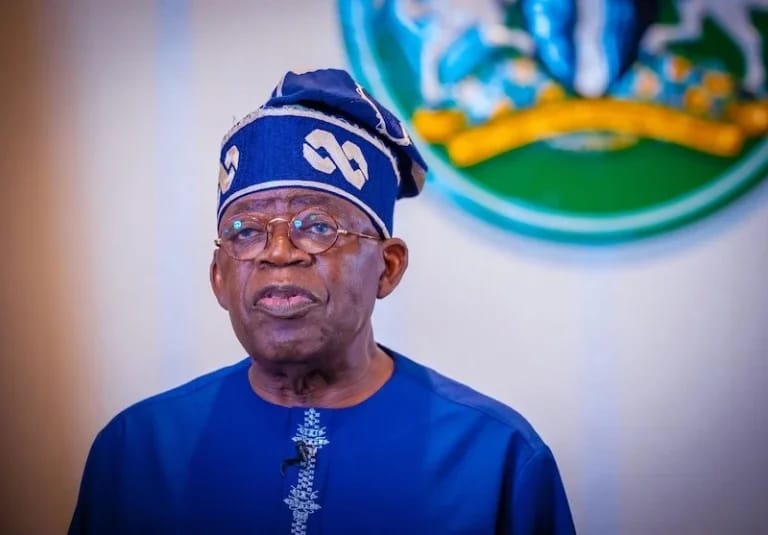
President Bola Tinubu on Tuesday declared an end to Nigeria’s era of exporting raw cocoa beans while importing finished chocolate. Speaking at the Cocoa Value Addition Summit 2026 in Abuja, the President said Nigeria must now capture the full value of its cocoa through local processing, industrialisation, and branding.
Represented by the Minister of Agriculture and Food Security, Senator Abubakar Kyari, Tinubu was blunt: “Nigeria will no longer export raw beans while importing finished value. We will grind our beans at home, we will press our butter at home, we will make our chocolate at home, brand it at home, and sell it to the world on our own terms.”
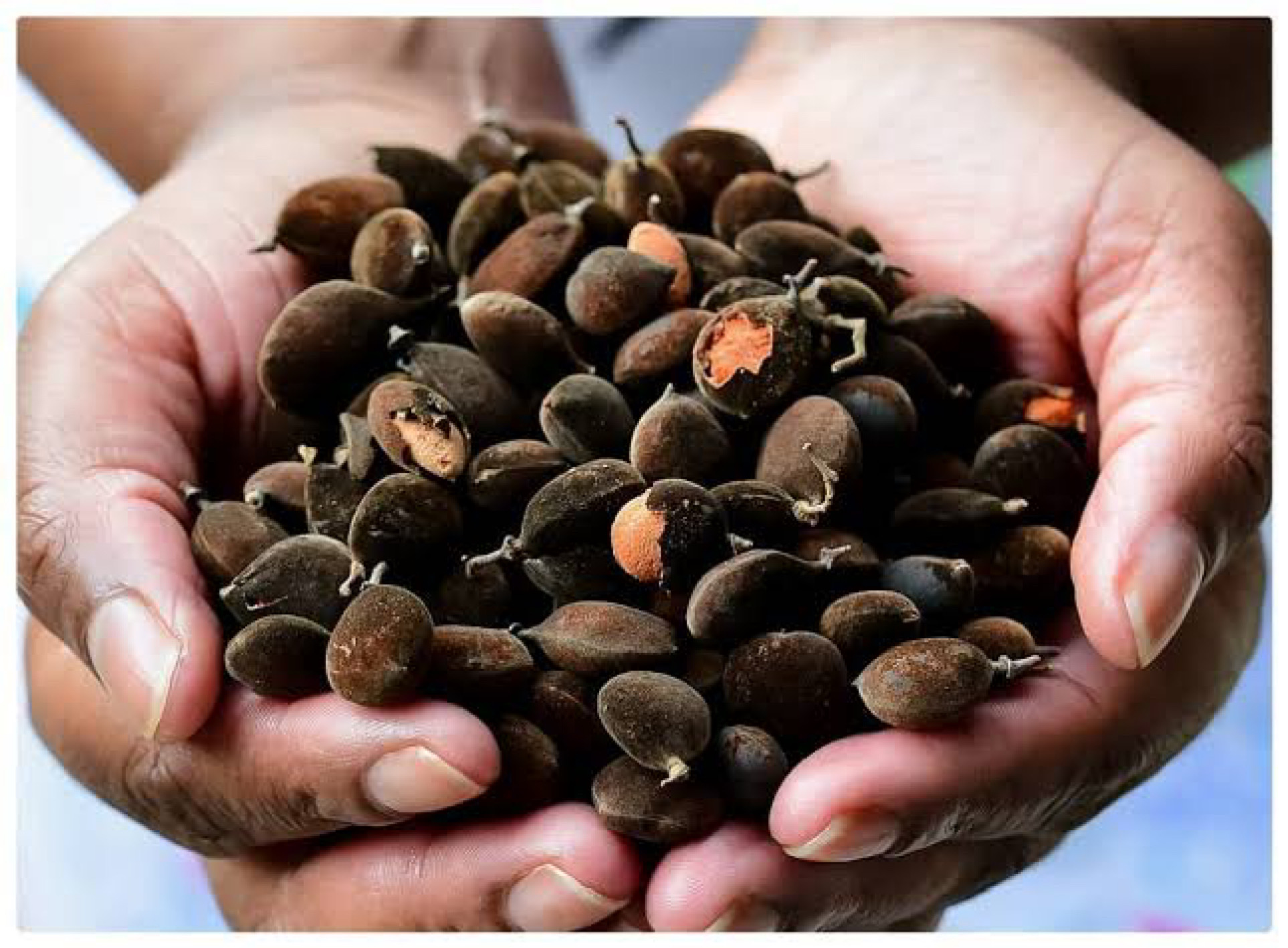
The President pointed out the painful imbalance in global trade. Africa produces about 70 per cent of the world’s cocoa but earns only a small fraction of the more than $130bn global chocolate industry because processing, branding and manufacturing happen overseas. The summit’s theme, “From Bean to Brand: The Bean in My Hand, The Brand in Our Future,” was aimed at reversing that trend.
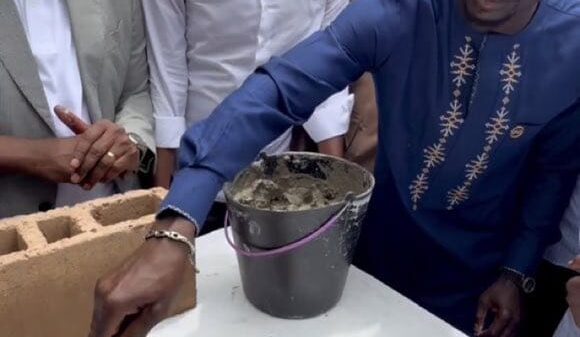
Tinubu said the policy is not just talk. “The proof is already rising out of the ground,” he stated. Nigerian investors are building a 70,000-ton processing facility in Sagamu, the largest in the nation’s history. He added that Nigeria’s national grinding capacity has now crossed 120,000 tons per year and is still growing.
The Bank of Industry is positioned as a co-convener of the new drive, with capital ready for deployment. BOI Managing Director, Dr. Olasupo Olusi, disclosed that the bank disbursed over N164bn in 2025 to more than 3,500 agro-processing and food businesses. BOI has also secured a €60m credit facility from the European Investment Bank specifically for the cocoa sector.
“We are not approaching cocoa as a lending programme; we are building an industrial ecosystem,” Olusi said. He explained that financing will cover everything from nurseries and cooperatives to grinding plants, ingredient factories, packaging lines, and chocolate manufacturers.
More than 300,000 Nigerian farming families cultivate cocoa across over 1.4 million hectares, accounting for about six to seven per cent of global output. Tinubu noted that when global prices exceeded $10,000 per tonne, cocoa generated more than N3tn in export earnings, but exporting raw beans is no longer sustainable.
The Minister of State for Industry, Senator John Owan Enoh, said the summit marks a major step in implementing the Nigerian Industrial Policy. “We are not interested in exporting anonymous sacks anymore. We are interested in exporting value,” he said, adding that processing is key to building a one-trillion-dollar economy.
Enoh disclosed that the Federal Government is pursuing closer collaboration with Ghana, Côte d’Ivoire and Cameroon to establish an African cocoa alliance. The bloc would control about 75 per cent of global cocoa production and strengthen the continent’s bargaining power in pricing and trade.
Delivering a goodwill message, the Chief Executive of the Ghana Cocoa Board, Ransford Abbey, called for stronger regional cooperation. “We do not need charity. We deserve equity. The time has come for Africa to process its own wealth, protect its farmers and negotiate with one voice in the global cocoa market,” he said.
The summit ended with the adoption of the Cocoa Value Addition Accord and the proposed Abuja Declaration. The agreements are designed to accelerate domestic processing, attract private investments, improve farmers’ incomes, and deepen collaboration among Africa’s major cocoa-producing countries.
The Tinubu administration said reversing dependence on raw cocoa exports through industrialisation and value addition is central to its target of building a $1tn economy. The plan is also expected to boost non-oil exports, create jobs, and increase foreign exchange earnings as Nigeria brands its cocoa “on its own terms.”